
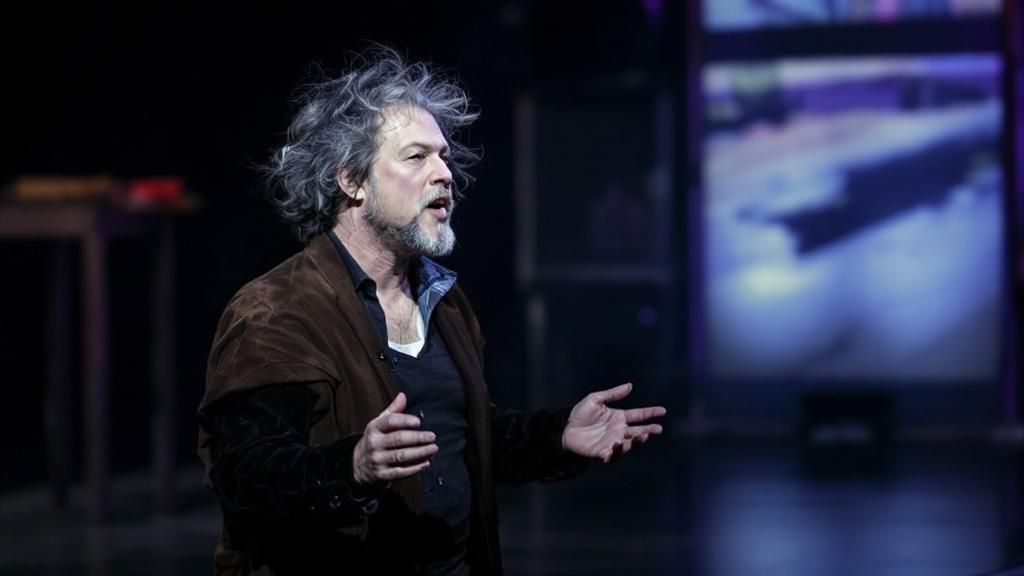
The National Theatre has unveiled an ambitious new programme designed to broaden participation in classical drama across the United Kingdom. This pioneering initiative seeks to bring internationally acclaimed stage productions to communities far outside London’s West End, making certain that audiences in provincial and neglected regions can witness Shakespeare, Chekhov, and contemporary interpretations of classic works. Through innovative touring schemes, digital platforms, and partnership collaborations, the theatre is fundamentally reshaping how Britain interacts with dramatic literature, establishing high-quality performances an entitlement rather than a privilege.
Making Theatre Accessible to Premier Theatre Productions
The National Theatre’s scheme constitutes a significant transformation in how traditional theatre connects with audiences across the UK. By overcoming distance limitations and financial constraints, the initiative secures that populations in rural areas and economically disadvantaged areas can enjoy shows previously reserved for London’s premier institutions. This commitment to inclusivity embodies a core conviction that artistic merit should not be dependent on location or disposable income, but rather allocated equally among all people independent of their backgrounds.
Through strategic partnerships with regional theatres, academic organisations, and arts bodies in local areas, the National Theatre is establishing long-term routes for access to classical works. The scheme covers touring productions, affordable ticket initiatives, and locally-driven versions that foster local engagement and cultural investment. By nurturing these partnerships, the theatre evolves beyond a London-focused venue into a distributed network of artistic quality, ensuring that the transformative power of drama becomes widely accessible to theatre-goers across the country.
Digital Advancement and Community Partnerships
The National Theatre’s strategy relies on cutting-edge digital technology to expand access across the nation. By harnessing digital platforms and digital theatre experiences, the institution allows real-time access to productions for audiences unable to attend in-person. This digital framework democratises cultural participation, enabling audiences from Cornwall to the Scottish Highlands to access premier productions from home. The initiative also includes interactive digital resources, educational materials, and behind-the-scenes content, enhancing audience engagement beyond conventional live theatre and encouraging greater involvement with traditional theatrical works.
Equally significant are the partnership arrangements forged with theatre venues across regions, council bodies, and community organisations throughout the United Kingdom. These working relationships enable productions appeal to diverse audiences whilst strengthening local cultural resources. The National Theatre provides financial support, specialist knowledge, and creative guidance to partner venues, establishing sustainable cultural ecosystems in underrepresented areas. By partnering with local institutions rather than applying London-based criteria, the initiative acknowledges regional identities whilst preserving artistic standards. This cooperative structure converts classical drama into a authentic countrywide initiative, embedding theatrical culture within communities and establishing permanent cultural impact.
Impact and Future Vision
The initiative’s effect reaches well beyond simple attendance numbers, profoundly changing cultural participation throughout the country. Regional theatre venues document record engagement figures, with theatre-goers uncovering renewed appreciation for classical works formerly considered out of reach. Communities that historically lacked theatrical infrastructure now access stage performances, educational programmes, and insider perspectives. This democratization cultivates a wider cultural landscape, encouraging the next generation to engage with stage drama as an integral component of their education and personal development.
Looking ahead, the National Theatre anticipates ongoing growth of this groundbreaking scheme throughout the next ten years. Planned capital allocation in digital technology are set to broaden reach, enabling concurrent transmissions and immediate viewing to archived productions. Partnerships with schools and universities will integrate traditional theatre within educational programmes, cultivating lifelong appreciation for stage performance. The scheme represents a pivotal turning point, cementing the idea that outstanding theatre productions constitute a basic cultural entitlement rather than an advantage restricted to the capital.
As this innovative project progresses forward, its success fundamentally relies on continuous investment, community engagement, and strategic alliances. The National Theatre remains committed to evaluating effectiveness through public response, participation rates, and learning results, ensuring accountability and continuous improvement. This groundbreaking programme marks a profound shift in British society’s cultural outlook, demonstrating that traditional theatre is for everyone.
